



Station 1. Research, August 2026, 564 runs
Neural Karstogenesis
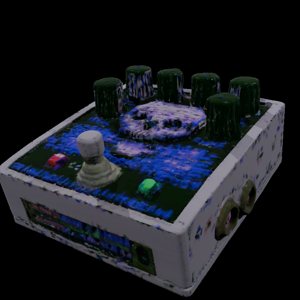
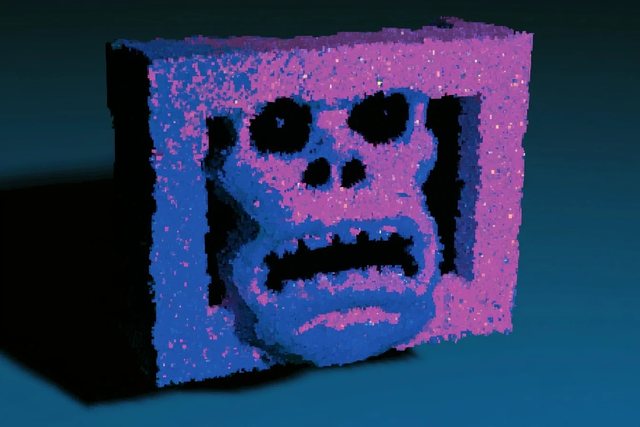
Can a model learn how limestone caves are actually shaped, and use that to generate Minecraft caves that look surveyed instead of carved by noise?
Vanilla vs learned
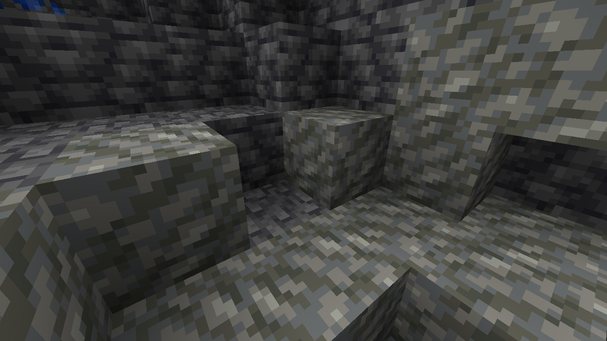
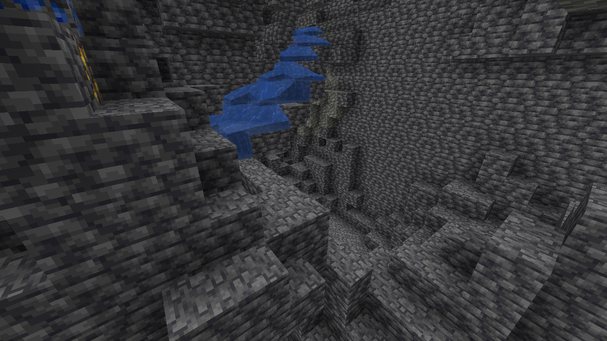 vanillalearned
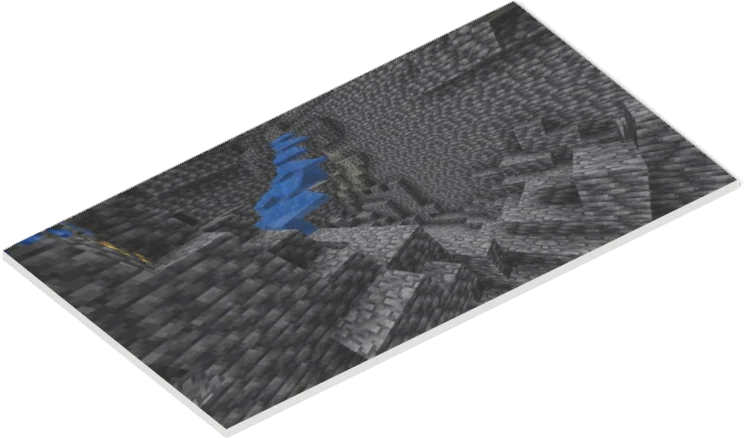
Drag across the image. Same world, same seed, same camera; the right side adds the learned cave geometry. Real Minecraft 1.21.1 client, software render.
The data
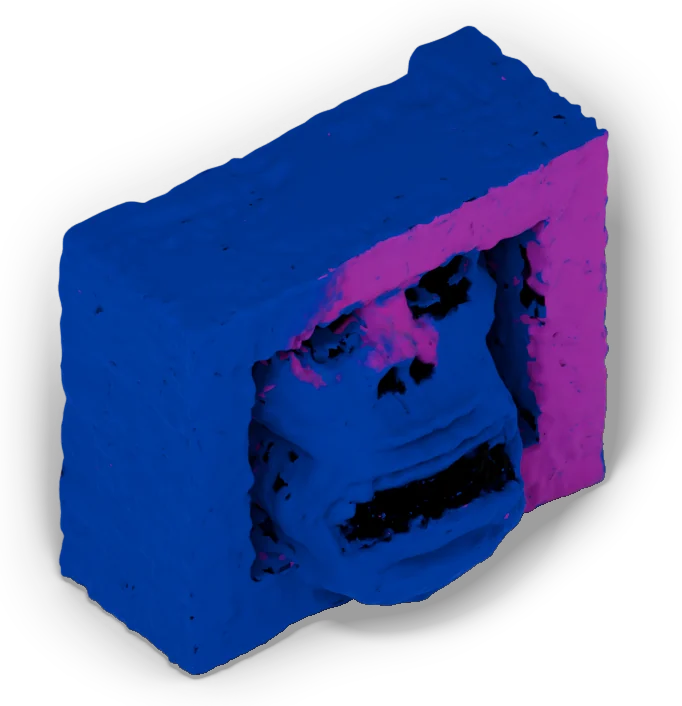
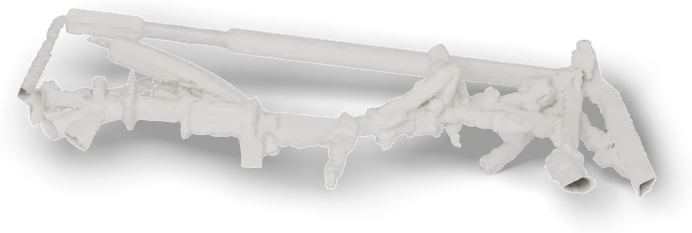
Twelve real cave systems from public LiDAR and survey sources, including USGS Valentine Cave and caves in France, Switzerland, Slovenia and Brazil. Each was rebuilt as a voxel void, aligned to its survey line and checked by eye before use.
Every split is by whole cave, and a ledger records which held-out caves have been spent. That rules out the easy win of testing on a neighbouring patch of the same cave.
| 12 | real cave systems |
| 40,933 | cross-section tokens |
| 35,061 | measured transitions |
| 83 KB | shipped server mod |
| 0 | GPU or inference in game |
| 0.37–1.22% | median overhead vs vanilla |
The architecture ladder
The interesting part is what failed. Bigger generative models lost to simpler ones on held-out caves, so each learned piece in the final system only does the job it won. I tried ten approaches; select one.
Filled square: kept in the final system. Half: kept as a component. Empty: dropped.
In play
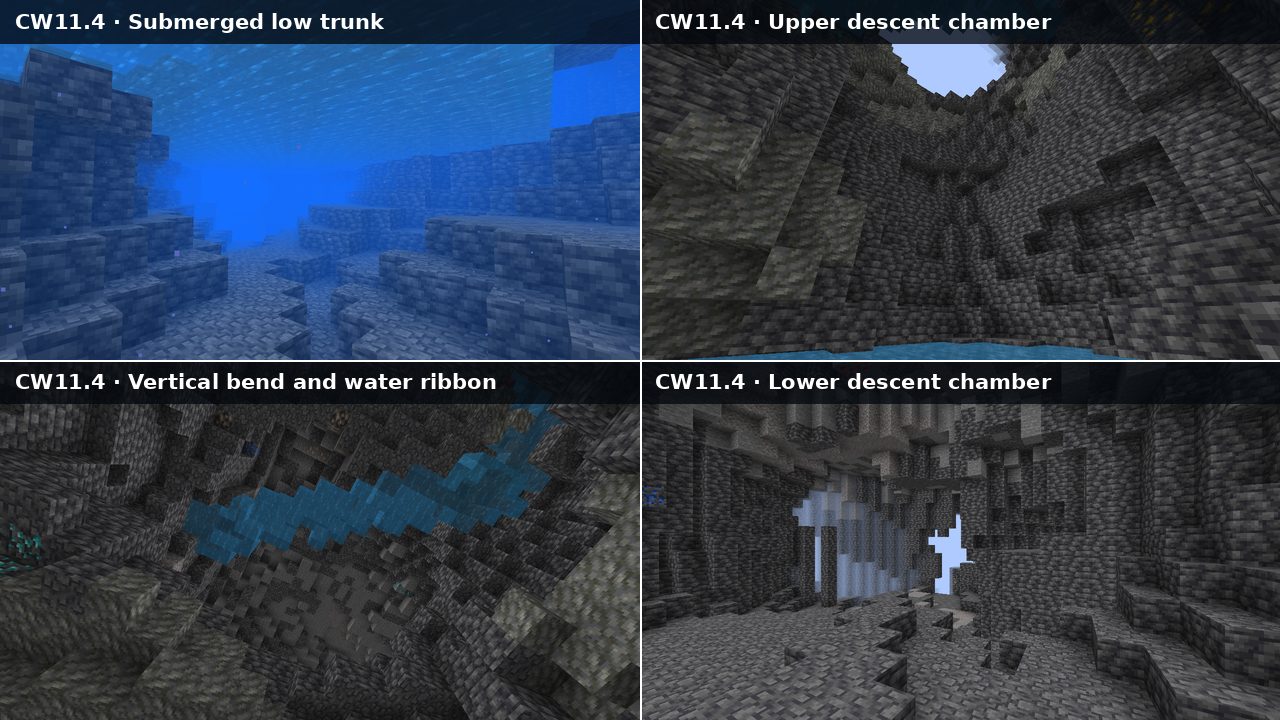
It has real limits. Only one seed, cave and placement is released, so I make no claim about realism across a population of caves. The wall operator imitates a synthetic hydraulic teacher rather than observed geological time. Twelve caves is a small dataset, and the one completed blind review preferred the procedural baseline. One release candidate failed its frozen performance gate, and the final build was not re-measured.
Code: neural-karstogenesis and caveweaver.